

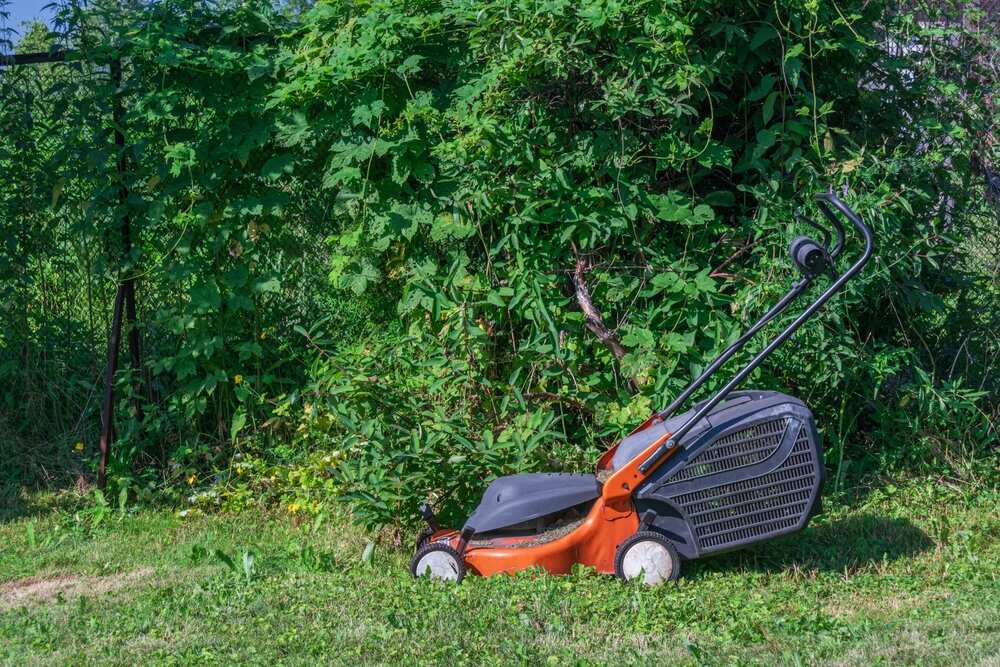
You know that moment when you pull up to your rental property and the yard looks… rough? Grass is out of control, plants are half-dead, maybe there’s even some random junk lying around.
It’s frustrating when you expect tenants to handle basic upkeep but it just… isn’t happening.
The good news is that this is a super common situation, and there’s a pretty straightforward way to handle it without turning it into a full-blown conflict.
In this post, we’ll go over what to do if tenants are not taking care of the yard.
#1 Check What Your Lease Actually Says
Before you send a single message or make any assumptions, go straight to your lease agreement.
This is your foundation for everything that comes next.
Look for anything that mentions yard maintenance. Some leases are very specific with spelling out mowing frequency, watering, trimming, even seasonal cleanup. Others are vague, with a simple line about “general upkeep.”
And sometimes, there’s nothing at all.
If your lease clearly says the tenant is responsible, great. That gives you solid ground to stand on. If it’s unclear or missing, things get a bit more delicate.
You can still address the issue, but you’ll need to rely more on communication than enforcement.
Also Read: Can A Tenant Be Evicted For Harassing?
It might feel like a small detail, but this step really matters. A clear lease turns an awkward conversation into a simple reminder of agreed terms.
#2 Start With A Friendly Reminder
It’s tempting to jump straight into “official landlord mode,” but honestly, that can make things worse right out of the gate.
Start casual. A quick message or call can go a long way.
Something like, “Hey, just wanted to check in – the yard’s getting a bit overgrown. Could you take care of it this week?” keeps things light and non-confrontational.
A lot of the time, tenants aren’t ignoring the yard on purpose. Life gets busy. Work piles up, weekends disappear, and yard work drops to the bottom of the list. Sometimes they don’t even realize it’s become an issue.
Approaching it this way keeps the relationship positive.
And in many cases, that’s all it takes to get things back on track.
#3 Document The Problem Before It Gets Worse
If the friendly nudge doesn’t work, it’s time to start documenting. This might sound a bit formal, but it’s really just about protecting yourself in case things escalate.
Take clear photos or short videos of the yard.
Make sure they show the problem areas like overgrown grass, dead landscaping, trash, or anything else that stands out. Keep track of dates too, so you can show how long the issue has been going on.
Also, save any messages you’ve sent or received about the situation. Even a simple text exchange can be useful later.
We do this to stay organized and avoid “he said, she said” situations.
Also Read: Can An Evicted Tenant Return To Property?
#4 Send A Formal Notice If Nothing Changes
If you’ve already reached out and nothing has improved, you’ll want to send a formal notice.
This doesn’t mean being aggressive or threatening. Think of it as a clear, professional step that shows you’re serious.
In the notice, reference the lease, describe the problem, and give a reasonable deadline to fix it – usually about a week or two. Keep your tone calm and straightforward. No long lectures, no emotional language. Just the facts.
Once you send that notice, things often start moving. It signals that this isn’t just a casual request anymore and it’s part of the agreement they signed.
#5 Offer Simple Solutions To Fix The Issue
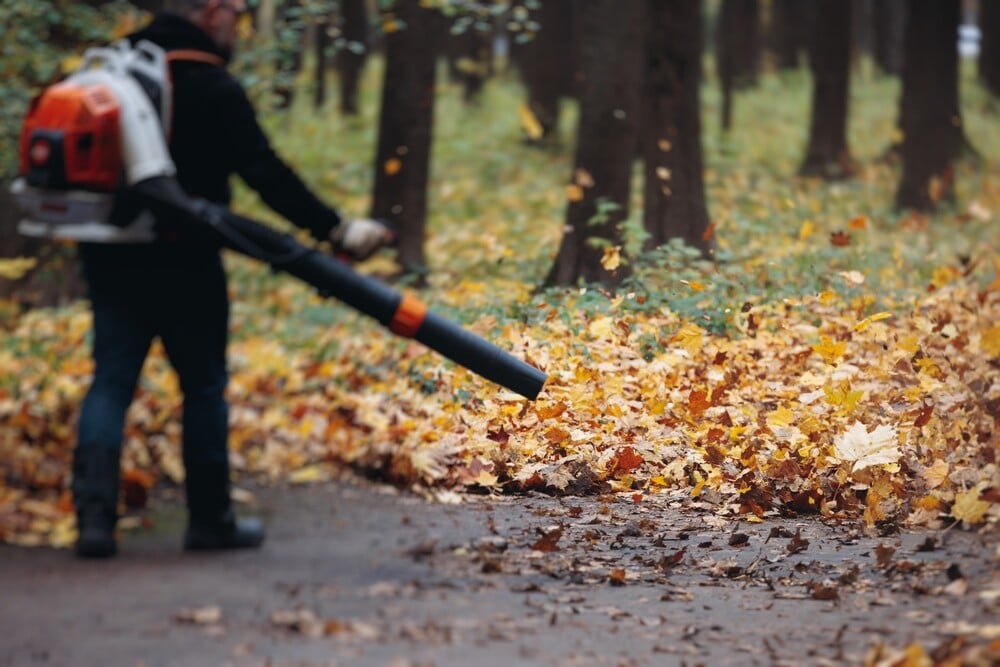
Here’s something a lot of landlords overlook: sometimes tenants don’t fix the yard because they don’t know how, don’t have the tools, or just don’t want to deal with it.
That’s where offering solutions can make life easier for everyone.
You could:
- Recommend a reliable lawn care service
- Offer to hire one yourself and pass along the cost (if your lease allows it)
- Suggest a simple maintenance routine that’s easy to follow
This approach removes the friction. Instead of going back and forth, you’re giving them a clear path to fix the problem quickly.
And honestly, many tenants will happily agree if it means less effort on their end.
What If The Tenant Still Doesn’t Comply?
If you’ve gone through all the steps and the yard still looks like a jungle, it’s time to consider stronger action.
Depending on your lease and local rules, you may be able to issue a “cure or quit” notice. This basically gives the tenant one last chance to fix the issue or face further consequences.
In more serious situations, you might:
- Arrange for the yard work yourself and charge the tenant
- Deduct the cost from the security deposit later
- Move toward eviction if the neglect is extreme and ongoing
That said, eviction is usually the last resort. Yard issues alone rarely jump straight to that point unless they’re part of bigger problems.
If you follow through on your notices and actions, tenants are much more likely to take things seriously.
Know Your Local Laws Before Taking Action
This part is important, even if it’s not the most exciting.
Landlord-tenant rules can vary a lot depending on where your property is located. Some areas have strict guidelines about notices, timelines, and what you’re allowed to charge tenants for.
Before you take any major step like charging for maintenance or issuing legal notices, it’s worth double-checking the rules in your area.
A quick look now can save you a headache later.
It might feel like extra work, but it keeps you on the safe side and avoids unnecessary complications.
Also Read: Can You Claim Land If You Maintain It?
How To Prevent This Problem In The Future
Once you’ve dealt with this situation, it’s a great opportunity to make sure it doesn’t happen again.
The easiest fix? Be crystal clear in your lease. Spell out exactly who handles yard maintenance, what that includes, and how often it needs to be done.
Some landlords go a step further and include yard service in the rent.
It costs a bit more upfront, but it completely removes the issue. No reminders, no disputes, no stress.
Even a simple tweak like adding a maintenance schedule can make a big difference. When expectations are clear from day one, there’s a lot less room for confusion later.
Bottom Line
Dealing with a neglected yard can be annoying, but it doesn’t have to turn into a huge problem. Start with a friendly reminder, back it up with your lease, and document everything as you go.
If things don’t improve, send a formal notice, and then take stronger action if needed.
Stay calm, stay consistent, and keep everything professional.
Most of the time, once tenants realize you’re paying attention and following through, the yard magically starts looking a whole lot better.
