

There’s a piece of land nobody seems to care about, and you step in to keep it from turning into a mess. Maybe you mow it, clear debris, or even start using it like it’s part of your property.
After a while, it stops feeling like “someone else’s land” and starts feeling like yours.
That’s when you start to wonder if taking care of land long enough gives you any real rights to it.
The short answer is no, not by itself. But there’s a legal path tied to something called Adverse Possession, and if certain conditions are met over time, you can claim it.
The catch is that those conditions are pretty strict, and just maintaining land is only one small piece of the equation.
In this post, we’ll explain if you can claim land if you maintain it.
Can You Claim Land Just By Maintaining It?
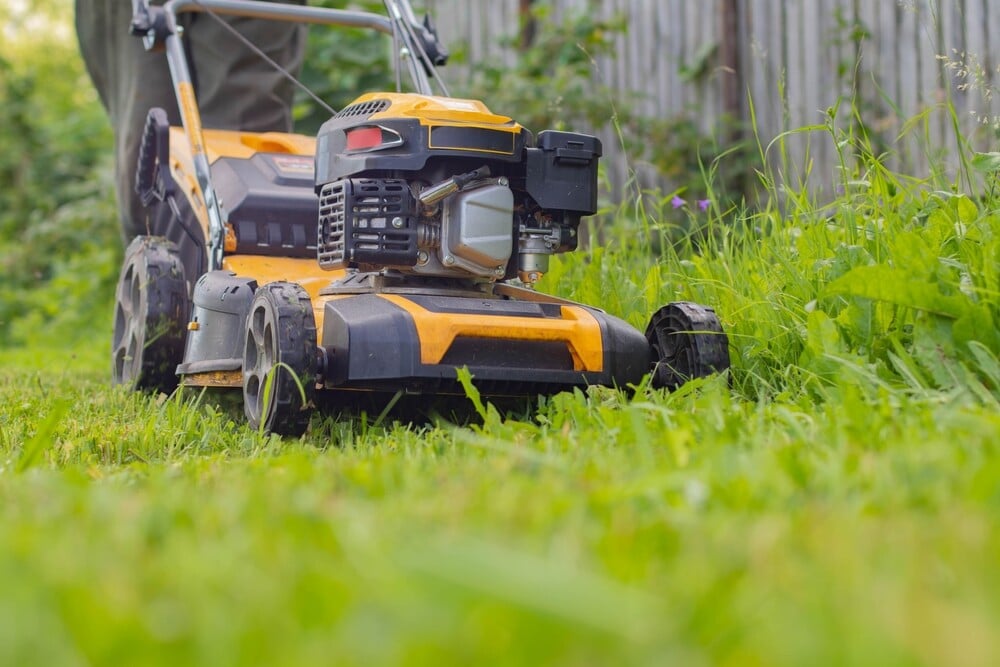
No, maintaining land by itself doesn’t make you the owner. You don’t get ownership just for mowing the grass, picking up trash, or keeping things tidy.
That said, maintenance can be part of a bigger picture.
Courts want to see that you’ve been treating the land like it’s yours in a real, consistent, and obvious way, and not just helping out here and there.
So yes, maintenance helps your case, but on its own, it’s not enough to change ownership.
Also Read: Can You Sell A Land Contract?
Adverse Possession
Adverse possession is basically a rule that says if someone uses land like an owner for a long enough time (and meets certain conditions) they can actually gain legal ownership.
Why would the law allow that? The reasoning is pretty practical.
Land shouldn’t sit unused forever while someone else is actively taking care of it and putting it to use.
But don’t get the wrong idea. This isn’t some loophole you can rush through. It takes years, sometimes decades, and you have to check every box along the way.
The Legal Requirements To Claim Land
You have to show that your use of the land checks several boxes at once. Miss one, and the whole claim can fall apart.
These rules are designed to prove that you weren’t just helping out or stopping by occasionally, and you were treating the land like it truly belonged to you.
#1 Open And Obvious Use
Your use of the land has to be visible. Anyone walking by, including the legal owner, should be able to tell that you’re actively using the property.
This could look like regular mowing, landscaping, or even placing items on the land that show it’s being used.
The idea is that you’re not hiding anything.
If the owner never had a fair chance to notice your use, your claim gets a lot weaker.
#2 Exclusive Control
You need to treat the land like it’s yours and yours alone.
That means you’re not sharing control with neighbors, strangers, or the actual owner. If people are casually using the land alongside you, it creates doubt.
Strong claims usually involve clear control like fencing the area, maintaining it as part of your yard, or otherwise showing that you’re the one making the decisions about how it’s used.
Also Read: Should I Sign A Quit Claim Deed Before Divorce?
#3 Continuous Use
This isn’t something you can do on and off.
The law wants to see consistency over a long stretch of time.
You can’t maintain the land for a year, stop for a while, then pick it back up later and expect it to count as one continuous period. It has to be steady and ongoing, often for 5 – 20 years.
That consistency is what helps prove you weren’t just casually involved. You were committed to using the land like an owner would be.
#4 Hostile Use
“Hostile” sounds aggressive, but in this context, it means you’re using it without permission.
If the real owner gave you the green light to maintain or use the property, your claim usually doesn’t hold up. That permission changes the entire situation.

For a valid claim, your use has to be independent, as if you didn’t need anyone’s approval to be there.
#5 Actual Possession
This is where your actions really matter.
You have to physically use the land in a meaningful way, not just pass by occasionally or do light upkeep once in a while.
Regular maintenance can support this, but it usually needs to go further. We mean things like improving the land, building on it, or using it as an extension of your property.
The more your actions reflect real ownership behavior, the stronger this part of your case becomes.
Examples Of “Maintaining” Land That Might Help Your Case
Now we’re getting into what actually strengthens a claim.
Courts tend to look for actions that show clear ownership behavior, not casual upkeep.
Here are some examples that carry more weight:
- Building a fence or clearly marking boundaries
- Regular landscaping that shows ongoing care
- Adding structures like a shed, driveway, or garden
- Using the land as part of your property (like extending your yard)
- Paying property taxes on it, if that’s possible in your state
These actions show intention. It’s the difference between “I help keep this clean” and “I treat this like it belongs to me.”
Also Read: Tax Implications Of Removing Name From Deed
Situations Where You Cannot Claim The Land
There are some pretty clear situations where this just isn’t going to work, no matter how much effort you put in.
For example, if the owner gave you permission to use the land, your use isn’t considered “hostile,” and that alone can kill the claim. The same goes for land owned by the government in many cases.
If your use has been inconsistent, like showing up once in a while to clean it up, that’s another problem. Courts want to see steady, ongoing use.
And if you can’t prove what you’ve been doing over the years, your claim gets a lot weaker.
Basically, if your situation doesn’t check all the legal boxes, it’s not going anywhere.
Risks Of Trying To Claim Land This Way
Before you get too excited about the idea, it’s worth talking about the downsides.
This path isn’t risk-free:
- You could end up in a legal dispute with the actual owner
- Court costs and legal fees can add up fast
- Any improvements you made could be lost if your claim fails
- It can create tension or outright conflict with neighbors
Even if you think you have a solid case, nothing is guaranteed until it’s recognized legally. And getting to that point can take time, money, and a fair bit of patience.
What To Do If You Think You Have A Claim
If you’re sitting there thinking, “Okay, I might actually qualify,” the next steps matter a lot.
Start by documenting everything. Photos, receipts, timelines – anything that shows how you’ve been using and maintaining the land over time. The more proof you have, the better.
After that, talk to a real estate attorney.
Seriously. This isn’t something you want to guess your way through. They can tell you pretty quickly if you’ve got a real shot or not.
At some point, you may need to file what’s called a “quiet title” action.
That’s the legal process used to officially establish ownership.
Bottom Line
Maintaining land doesn’t automatically make it yours, even if you’ve been doing it for years. It can help, but only as part of a much bigger legal picture.
If you meet all the requirements for adverse possession and stick with it long enough, there’s a path to ownership. It’s just not quick, and it’s definitely not guaranteed.
So if you’re thinking about going down this road, treat it like a serious legal move.
