

Divorce and estate planning don’t always line up as cleanly as people expect.
You might assume once a marriage ends, everything tied to it automatically gets wiped away, including anything in a will. In reality, it’s a bit more complex than that.
A divorce decree and a will can both affect the same property or assets, and when they do, it can create confusion for families trying to sort things out later.
In this post, we’ll explain if a divorce decree overrides a will.
Does A Divorce Decree Override A Will?
Yes, in many situations a divorce decree can override a will. But that is only for specific assets and decisions covered in the divorce.
If the decree assigns ownership of certain property or assets to one spouse, that court order usually takes priority over anything the will says about those same items.
Once the divorce is finalized and assets are divided, a will can’t give away something the person no longer owns.
At the same time, a will still controls anything that wasn’t addressed in the divorce or anything acquired afterward. So if an asset wasn’t part of the divorce settlement, the will can still dictate who receives it.
In many states, laws also remove an ex-spouse from a will automatically, even if the document was never updated, which further limits any conflict between the two.
Also Read: Should I Sign A Quit Claim Deed Before Divorce?
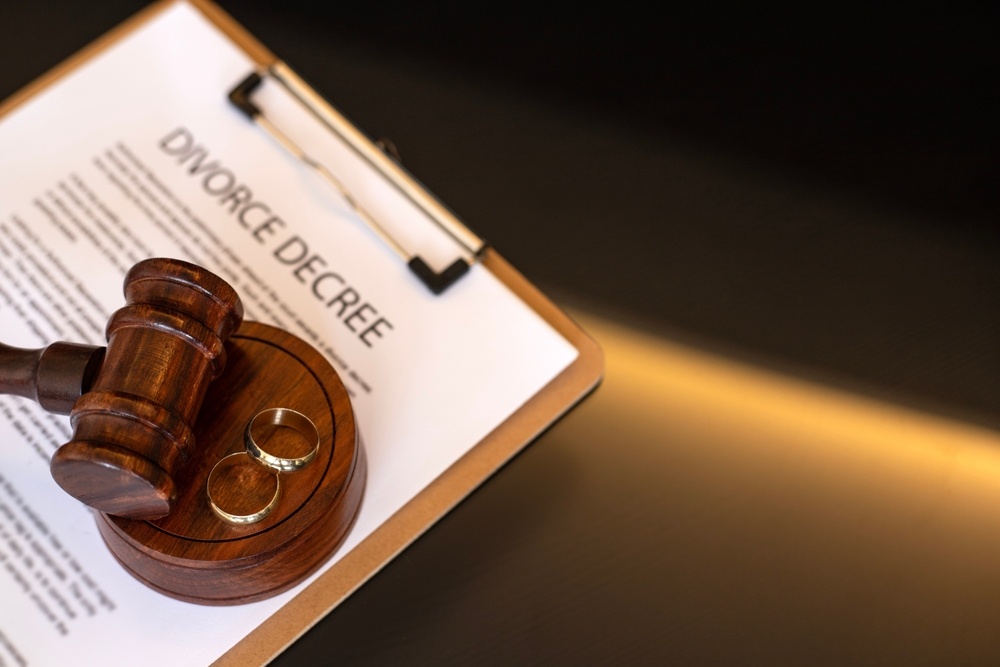
The simplest way to look at it is this: The divorce decree controls what was already divided, and the will controls what remains at death.
When both try to apply to the same asset, the divorce decree usually wins.
When The Divorce Decree Overrides The Will
This is where the divorce decree really takes charge. If something was clearly handled in the divorce, that decision usually wins, no matter what the will says.
Let’s go over some of these:
#1 Property Already Divided By Court
If the court already split up the property, that’s final. The will can’t undo it later.
Imagine this: during the divorce, the house gets awarded to one spouse. Years later, the other spouse passes away, and their old will says the house should go to someone else.
That doesn’t matter anymore, because they don’t even own the house at that point.
The divorce already settled it, and that decision sticks.
#2 Assets Legally Transferred To One Spouse
This is pretty similar, but it covers things like bank accounts, cars, or investments that were officially transferred during the divorce.
Once ownership changes hands, the will has no power over those assets anymore.
You can’t give away something you no longer own.
So if an asset was legally moved to your ex during the divorce, your will can’t later say, “Actually, I want someone else to have it.” That ship has already sailed.
Also Read: Can A Nursing Home Take A Life Estate?
#3 Court Orders That Conflict With The Will
Sometimes the divorce decree includes very specific instructions, and these can directly clash with what’s written in a will.
For example, a court might order someone to maintain a life insurance policy for their ex or their children.
If the will later says something different, the court order usually wins.
Courts don’t take their own rulings lightly. If there’s a conflict, the decree typically has the final word.
When The Will Still Applies
The will definitely still matters in plenty of situations.
If something wasn’t addressed during the divorce, it’s still part of your estate. And that’s where the will steps in and does its job.
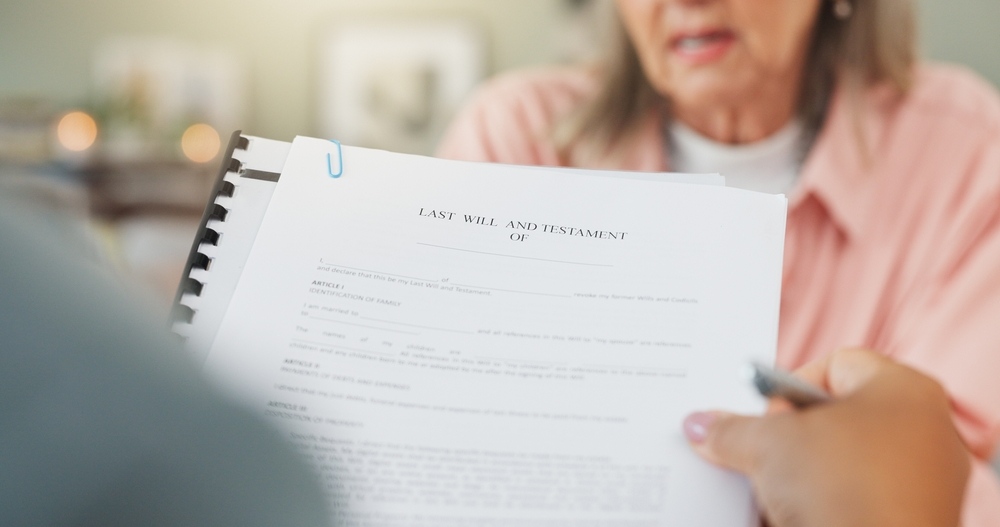
Say you bought a new property after the divorce, or you built up savings on your own later. Those assets were never part of the divorce agreement, so your will gets to decide who receives them.
Also, if you updated your will after the divorce, that new version becomes the main guide for your estate.
At that point, everything is aligned with your current life situation, not your past marriage.
So while the divorce decree can override certain things, it doesn’t erase the need for a will. Not even close.
Also Read: Can I Hire An Executor For My Estate?
What Happens To An Ex-Spouse In A Will
In many places, once a divorce is finalized, the law automatically treats your ex-spouse as if they were removed from your will. Even if you never updated it.
So if your will still says, “leave everything to my spouse,” that usually doesn’t mean your ex will inherit anything.
But (and this is important) this doesn’t apply to everything. Some assets, like accounts with named beneficiaries, follow their own rules.
That’s why relying on “automatic fixes” isn’t the best idea. It’s always cleaner to update your documents yourself instead of hoping the law sorts it out the way you want.
Special Cases To Know
There are a few situations where things don’t follow the usual pattern, and these are worth keeping in mind:
- Life insurance policies go to the named beneficiary, not the will, unless a court order says otherwise
- Retirement accounts work the same way and follow the listed beneficiary
- Joint property can pass directly to the co-owner, depending on how it’s set up
These cases can completely bypass both the will and parts of the divorce decree, which is why they sometimes cause confusion (and, honestly, family arguments too).
Why You Should Update Your Will After Divorce
If there’s one takeaway from all of this, it’s this: update your will after a divorce.
Seriously, don’t put it off. Divorce changes your financial life, your relationships, and your priorities. Your will should reflect that.
Updating it helps you:
- Make sure your assets go to the right people
- Avoid legal confusion or disputes later
- Stay in control of your estate instead of leaving things up to default laws
It’s one of those tasks that feels easy to delay, but doing it sooner saves a lot of stress down the road. And it doesn’t have to be complicated – you just need to make sure everything lines up with your current situation.
Bottom Line
A divorce decree can override a will, but only in specific situations and mainly when the court has already decided who gets certain assets.
Anything not covered in the divorce is still handled by the will.
The safest move is to keep everything updated and consistent. That way, there’s no confusion, no mixed signals, and no surprises for the people you care about later.
