

Talking about Power of Attorney can feel a bit intimidating, especially when the conversation involves someone with Down syndrome.
Families worry about doing things correctly, making respectful choices, and staying within the law.
But the good news is that the core idea is actually pretty simple: it all comes down to the person’s ability to understand the decision at the moment they make it.
In this post, we’ll explain when a down syndrome person can grant Power of Attorney.
Can A Down Syndrome Person Grant Power Of Attorney?
Yes, a person with Down syndrome can grant Power of Attorney, as long as they have the ability to grasp what the document means and what it allows someone to do on their behalf.
Down syndrome on its own doesn’t shut the door on this.
In fact, many people with Down syndrome live quite independent lives, make their own decisions, and manage their own affairs with minimal help.
Others may need more support, but even then, plenty still understand the idea of choosing someone they trust to help with big decisions.
Power of Attorney isn’t about intelligence or test scores or anything like that. It’s about understanding: “If I sign this, this person can help make certain decisions for me.” If the person gets that, they’re good to go.
Also Read: Can A Notary Do Power Of Attorney?
What Is “Mental Capacity” In Legal Terms?
Mental capacity is having a clear enough understanding to make a particular choice in that specific moment.
It’s not something a doctor stamps on a chart forever. It can even change from day to day, depending on health, stress, or the complexity of the situation.
The law basically says a person has mental capacity if they can:
- Understand the decision they’re making
- Retain that information long enough to actually make the decision
- Explain their choice in a way others can follow
- Recognize the general consequences of saying yes or no
This doesn’t require advanced reasoning. It doesn’t require being able to repeat every detail like a robot. It’s more like: “Do you know what this is and what it means for you?”
If they can answer that in a meaningful way, they have capacity for that decision.
And it’s worth saying: people often underestimate individuals with Down syndrome.
When you slow the conversation down, use everyday words, and give someone a chance to ask questions, they often understand far more than others assume.
How Capacity Is Determined?
Capacity is usually checked by someone familiar with the legal process – often a lawyer, sometimes a doctor, and occasionally both.
Also Read: Can Power Of Attorney Live In Another State?
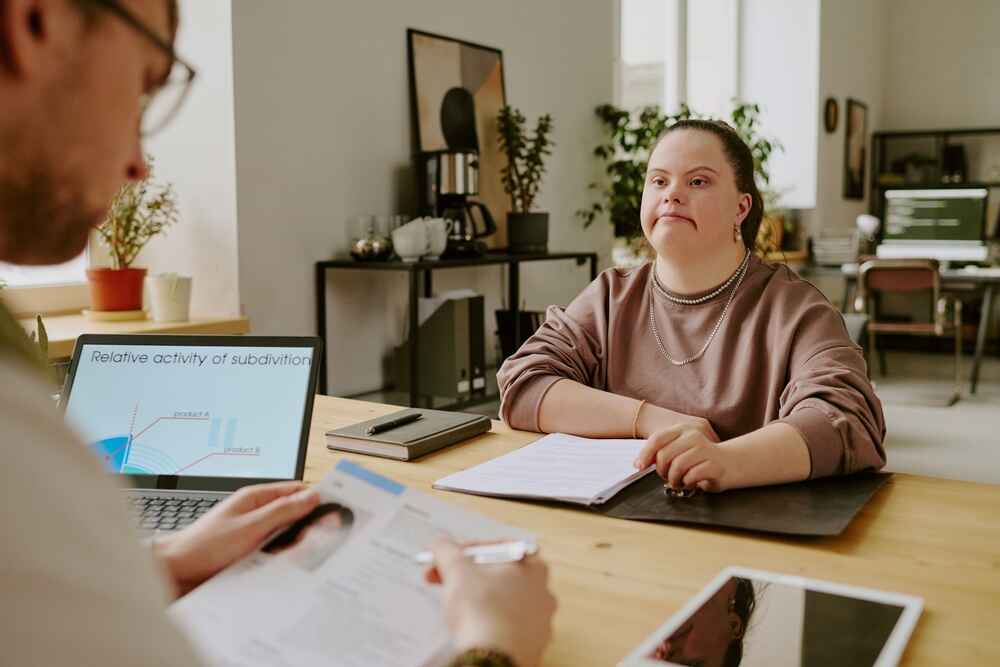
The assessment isn’t a formal written test; it’s more of a conversation.
This conversation often sounds like:
- “Can you tell me what this document is for?”
- “What kinds of decisions will your agent be able to make?”
- “Who did you choose and why?”
There’s no perfect script, but the idea is that the person can show they understand the basics.
One important thing: capacity is specific to the decision. Someone might completely understand granting a medical Power of Attorney, but not something super complicated like setting up a trust.
So capacity isn’t all-or-nothing; it’s decision-by-decision.
What Happens If The Person Lacks Capacity?
Sometimes, even with explanation and patience, the individual may not be able to grasp what Power of Attorney means.
If that’s the case, then legally they can’t sign it because POA has to be voluntary and informed.
When that happens, families usually turn to other options, the most common being guardianship or conservatorship.
Those are court-appointed roles that let someone else make decisions on the person’s behalf. They’re more restrictive than POA because they involve judicial oversight, so many families try POA first if it’s possible.
Some places also offer something called “supported decision-making,” which lets the person make their own decisions with structured help instead of transferring authority to someone else.
A Few Important Legal Considerations
Even though the concept is simple, the process does come with a few things families should keep in mind. Most of these aren’t unique to Down syndrome.
First, the timing matters. The person must understand the document at the moment they sign it. You can’t assume yesterday’s clarity is today’s clarity.
That’s why the lawyer or professional usually checks capacity the same day.
Second, the person must not be pressured. This is a huge one.
If the person seems unsure, nervous, confused, or coached, the lawyer might pause the process. POA should be a confident choice, not something someone is pushed into.
Third, documentation is your friend. It protects everyone – the individual granting the POA, the family, and the agent receiving authority. Keeping notes or capacity assessments can help if questions pop up later.
Also Read: Can Multiple Siblings Have Power Of Attorney?
Tips For Families And Caregivers
If you’re navigating this with a loved one, here are a few friendly, real-world pointers that tend to make everything smoother:
- Take your time explaining the idea in simple, everyday terms
- Ask open questions to see how much the person truly understands
- Choose a lawyer who has experience with disability-related legal issues
And one more thing that helps: trust the person.
Trust that they may understand more than you expect. Trust that they can tell you who they feel safe with. Trust that their voice matters in this process.
Families sometimes come in nervous, thinking this will be complicated or emotional, but more often than not, once the person is asked directly in a calm setting, their clarity surprises everyone.
Bottom Line
A person with Down syndrome can grant Power of Attorney as long as they understand what they’re signing and what it means. Down syndrome alone doesn’t block them from making legal decisions.
If they get the concept, even in simple language, then the law gives them that right. If they don’t understand it, then other legal tools exist to make sure they’re protected and supported.
At the heart of it all is respecting their autonomy, their ability to learn, and their right to participate in decisions that affect their life.
