

When a house deed lists three names, things can get a little confusing fast. People start asking questions like who actually owns the house, who can sell it, or what happens if one person wants out.
The truth is, having three names on a deed is pretty common. Families do it, couples do it with a parent, and business partners sometimes buy property together.
Still, the details matter more than most people realize.
In this post, we’ll go over everything you need to know about having 3 names on house deed.
What Does It Mean To Have 3 Names On A House Deed?
When three names are on a house deed, it simply means three people legally own that property.
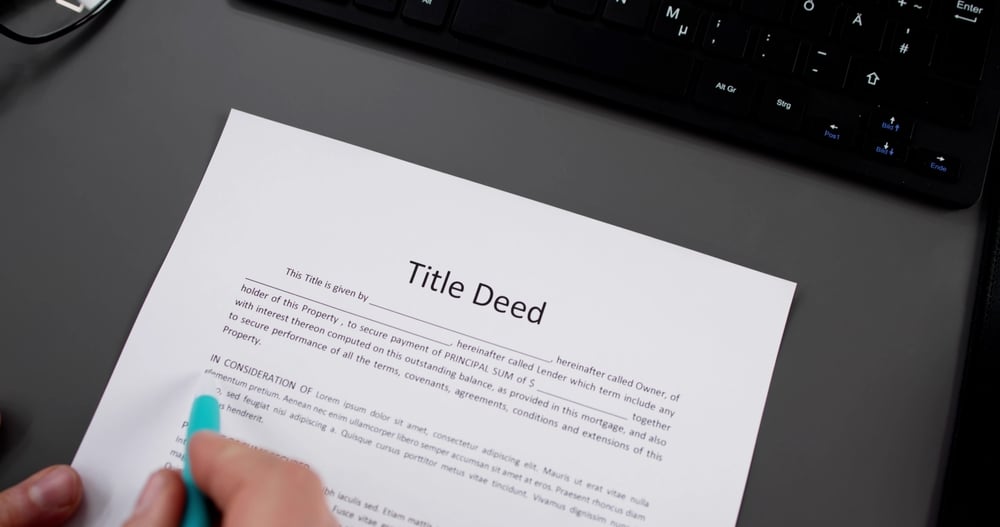
The deed is the document that proves ownership.
If your name is listed, you have a legal interest in the home. That interest can be equal or unequal. All three owners might each own one-third. Or one person might own half while the other two split the rest.
The exact split depends on how the deed is written.
Each person may also have financial responsibility tied to it, especially if all three signed the mortgage. And yes, decisions about selling or refinancing usually involve all three.
Also Read: Why you should have a real estate attorney
Types Of Ownership With Three Owners
There are two main ways three people can own a home together. The structure you choose changes everything, especially when someone wants out or passes away.
Let us explain:
Joint Tenants
Joint tenancy means all three owners share equal ownership.
Equal. No exceptions.
If three people are joint tenants, each person owns one-third of the property. It doesn’t matter who paid more for the down payment or who covers more of the mortgage.
The biggest feature of joint tenancy is something called “right of survivorship.”
If one owner dies, their share automatically transfers to the remaining owners. It does not go to their children and it does not go through their will. It goes straight to the other two.
This setup works well for married couples adding a third co-owner or tight-knit family members. It can get complicated if relationships shift over time.
Tenants In Common
Tenants in common is more flexible.
With this structure, each owner can hold a different percentage of the property. One person might own 50%, and the other two own 25% each. Or 40/30/30. You decide.
There is no automatic transfer if someone dies. Their ownership share becomes part of their estate. That means they can leave it to anyone in their will – a spouse, a child, even a friend.
This setup is common for:
- Friends buying together
- Investment properties
- Situations where one person contributes more money upfront
It gives more control, but it also means you could suddenly co-own property with someone new if an owner passes away and leaves their share to an heir.
Also Read: What If Heir Will Not Sign Form For Probate?
What Happens If One Owner Wants To Sell?
This is where things can get complicated.
If all three owners agree to sell the property, great. The house goes on the market, it sells, and proceeds are divided based on ownership percentages.
The problem arises when one owner wants out and the other two do not.
In most cases, a single owner cannot force the others to sell voluntarily. However, that person can sell their ownership share.
The catch is that finding a buyer for a partial interest in a home is extremely difficult. Most buyers do not want to purchase a fraction of a property alongside strangers.
There is another legal option called a partition action.
That’s when a co-owner asks a court to force a sale or divide the property. Courts often order the property sold and the proceeds split among owners.
Partition lawsuits can be expensive and emotionally draining, and they also take time. That’s why many co-owners try to negotiate a buyout instead. One or two owners might refinance and purchase the departing owner’s share.
Who Pays The Mortgage, Taxes, And Repairs?
All owners are typically responsible for the financial obligations tied to the property.
That includes:
- Mortgage payments
- Property taxes
- Insurance
- Maintenance and repairs
If everyone signed the mortgage, the lender can pursue any of the borrowers for missed payments. Even if only one person lives in the home, all owners may still be legally responsible.
Trouble starts when one person stops contributing.
The others may need to cover the shortfall to protect the property. In some cases, they can later seek reimbursement. That process can get messy and may require legal action if there’s no agreement in place.
A written co-ownership agreement can outline who pays what, how decisions are made, and what happens if someone falls behind.
It’s not the most exciting document in the world, but it can save friendships and family relationships.
Can One Owner Be Forced Off The Deed?
You generally cannot remove someone’s name from a deed without their consent.

Property ownership is a legal right. Taking someone off the deed usually requires them to sign a deed transferring their interest.
A common method is a quitclaim deed, where one owner voluntarily transfers their share to another. Refinancing the mortgage may also be necessary if that person is on the loan.
If the owner refuses to cooperate, the only real solution may be a partition action through the court system.
That does not remove them cleanly from the deed. Instead, it often results in a forced sale.
In other words, once someone’s name is on the deed, it’s serious. Removing it requires agreement or a court order.
Also Read: Can you spot fraud in technical real estate documents?
How To Protect Yourself When Buying With Multiple Owners
Buying property with two other people can work beautifully, but only if everyone is clear about expectations from day one.
Here are smart steps to take:
- Clearly define ownership percentages in writing
- Draft a co-ownership agreement covering payments, repairs, and exit plans
- Decide how disputes will be handled
- Review estate planning so shares pass as intended
Think of it like setting ground rules before starting a business together. It may feel overly cautious at the beginning, but it prevents huge problems later.
Communication is just as important as paperwork. Talk openly about long-term goals.
Is this a forever home? A short-term investment? A rental property?
Aligning expectations reduces surprises down the road.
Bottom Line
Having three names on a house deed means shared ownership, shared authority, and shared responsibility. It can be equal or divided into custom percentages.
The structure you choose (joint tenants or tenants in common) changes how everything plays out.
If you’re thinking about buying property with two other people, go in with clear agreements, realistic expectations, and honest communication. Real estate is a big commitment. Add multiple owners to the mix, and clarity becomes even more important.
Do it right, and it can be a smart way to build equity together.
